Challenge
Humanitarian crises unfold rapidly, but digital response platforms typically took IRC months to deploy.
Strategy
I led the design of a modular crisis response system to decouple core solutions from crisis-specific content.
Results
Reduced deployment velocity from months to <1 week, serving 5.5 million refugees during the Ukraine invasion and scaled to an additional 85 million people with support for 20+ ongoing global crises.
Background
War erupts in Ukraine
On February 24, 2022, the world watched in horror as the invasion of Ukraine triggered one largest refugee crisis since WWII. Within weeks, more than 8.8 million people had fled the country in search of safety, 90% of whom were women and children.
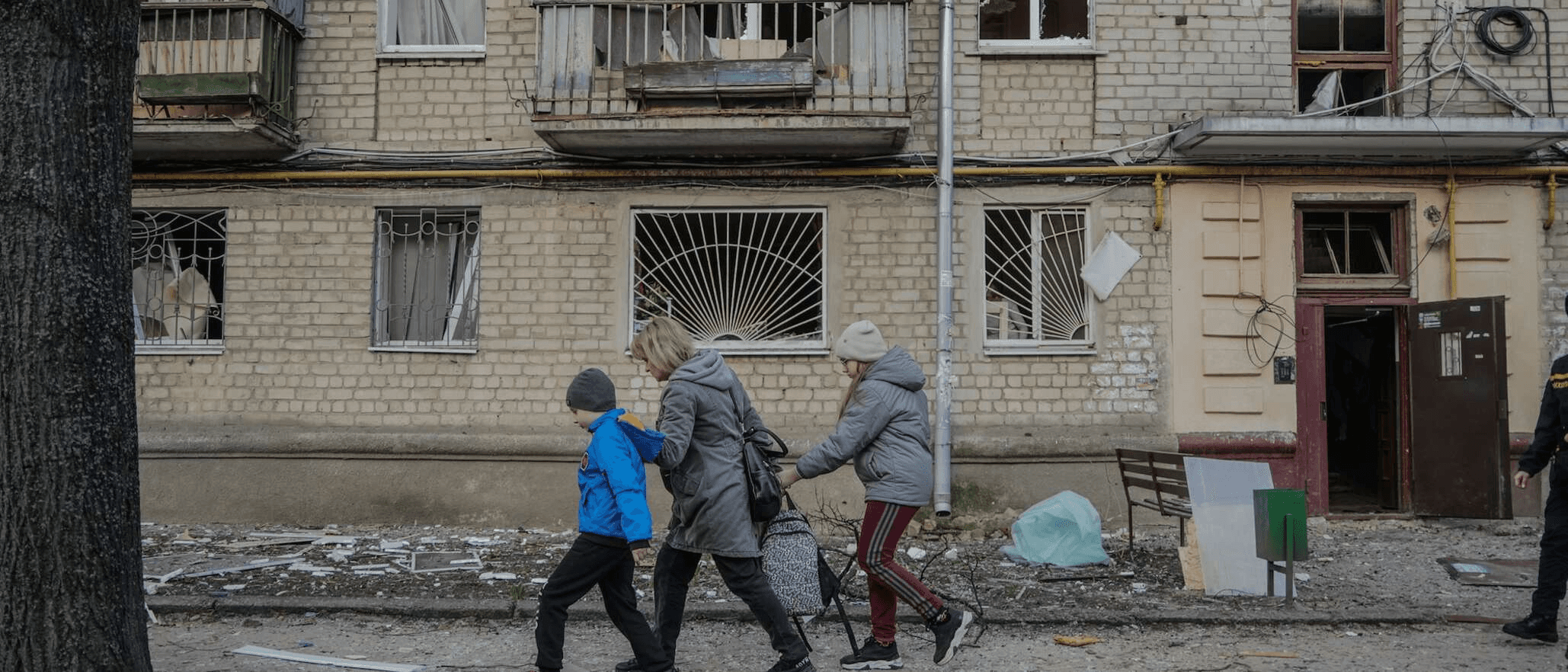
In the face of this humanitarian catastrophe, Google.org committed a $1.5 million grant and deployed a Fellowship team to support the International Rescue Committee (IRC). I volunteered and was selected to serve as the UX Lead for this initiative. My mandate was to partner with the IRC and a local NGO—United for Ukraine (UFU)—to design a humanitarian response platform for millions of displaced people.
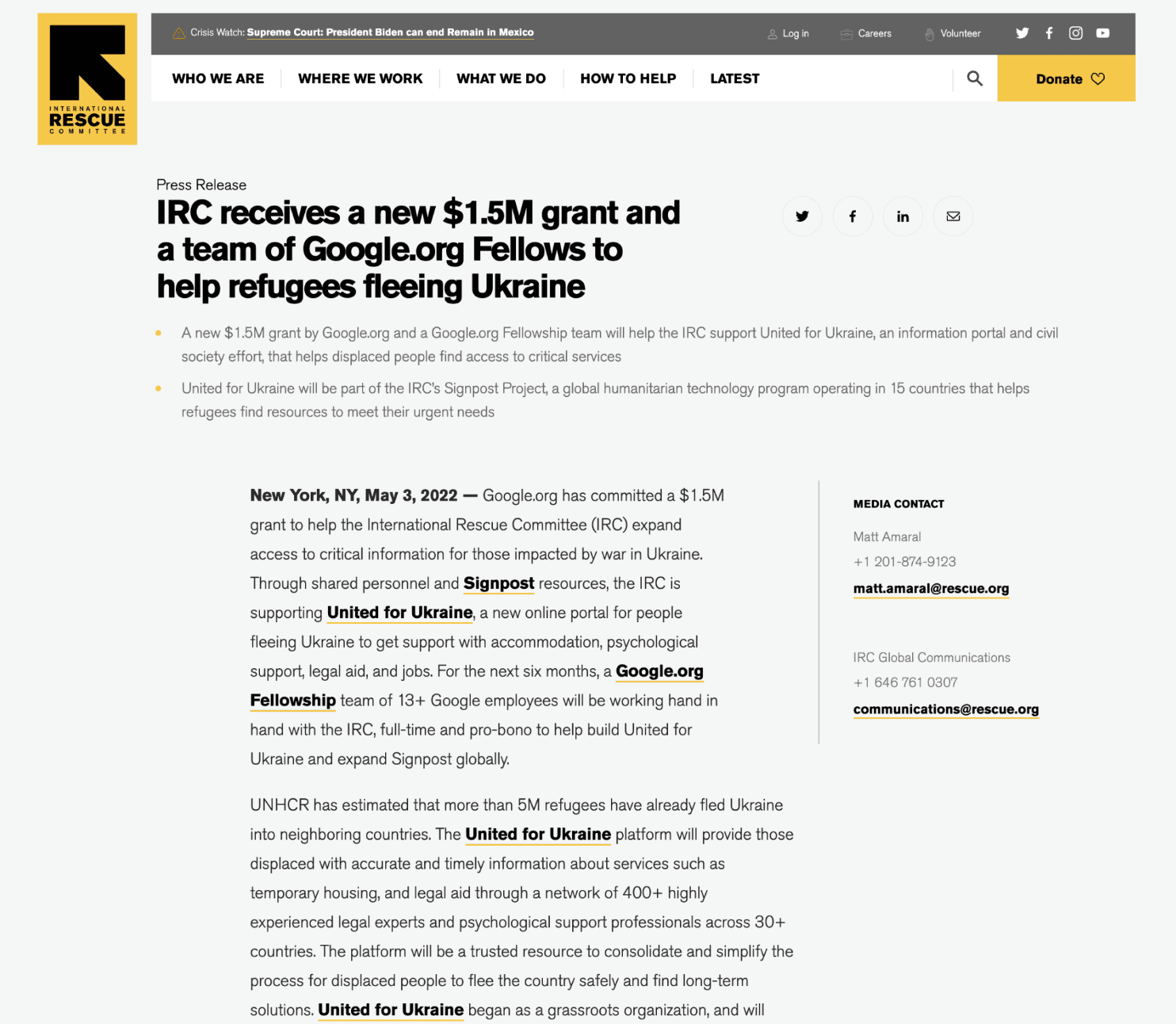
See the official press release
What started as a sprint to build a single website evolved into something much larger. I realized that to truly help, we didn't just need to launch a product, we needed to engineer a scalable global response solution. Here is how I used strategic design to turn a gap in humanitarian capacity into a system that has since reached over 85 million people.
Strategy
Design for the exhausted mind
When I joined the project, the immediate challenge was the "fog of information." Essential details about housing, legal aid, and safety were scattered across disparate social media channels and siloed websites without any reliable way of knowing what could be trusted. Displaced people were making life altering decisions while traumatized, disoriented, and often trying to gather information on-the-go while relying on older mobile devices with spotty 2G or 3G connections and limited data.
I established a design strategy centered on the core principle: design for the exhausted mind. This led me to make decisive—and at times counterintuitive—choices about how to design the interface, what types of content to include, and how best to convey information.
User insights
I didn't design in a vacuum. I established a high-velocity feedback loop where overseas researchers gathered real-time insights from refugee camps, enabling rapid daily iteration based on the immediate needs of users facing trauma.
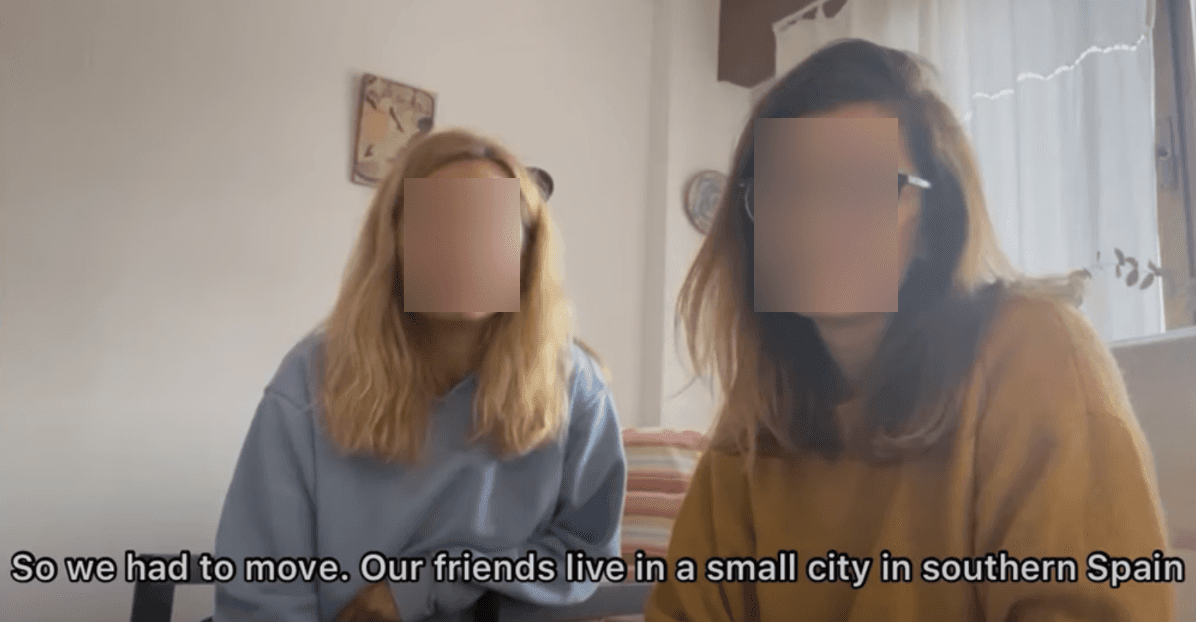
Video feedback from users of the app; blurred for privacy purposes
Designing for limitations
Many of our users were on older devices and slower networks, and had limited data. This led me to intentionally deprioritize "delight" in favor of radical clarity and low cognitive load, stripping away non-essential imagery to reduce visual noise and, most importantly, reduce data consumption ensuring the site loaded instantly even in low-bandwidth situations.
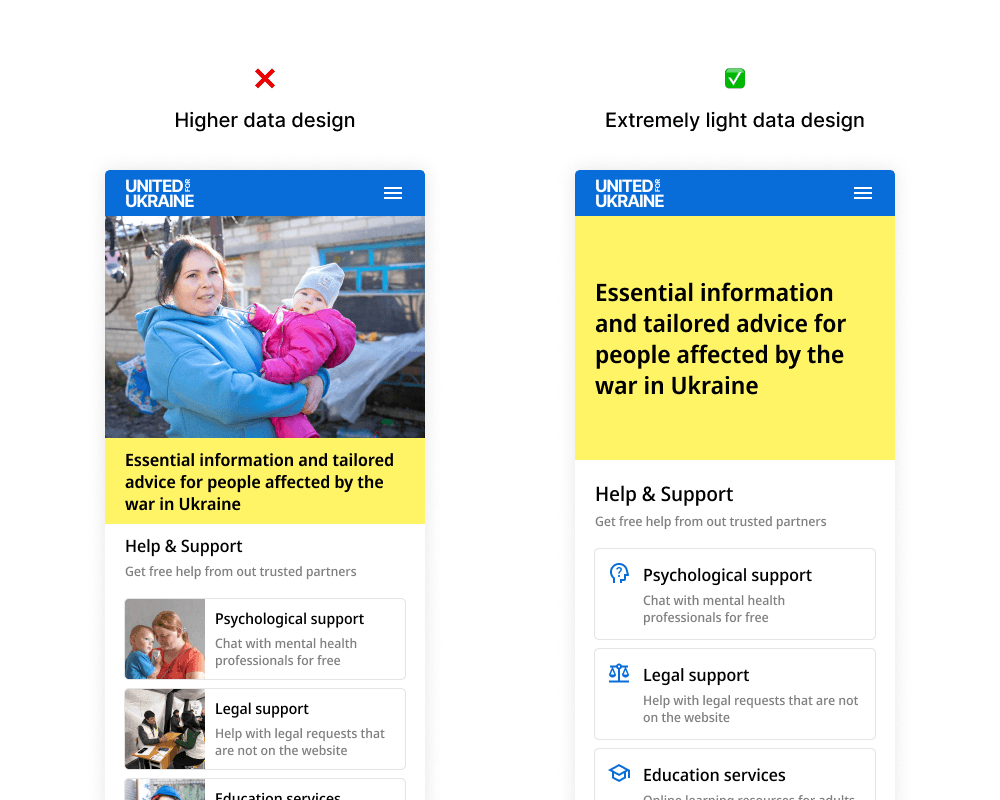
Design explorations looking at rich photography compared to a stark, radically simple approach
Communicating with iconography
Our users spoke a combination of Ukrainian, Russian, and English with varying levels of proficiency in each, so I leaned on clear visual iconography as a core mechanism for communicating key concepts and services.
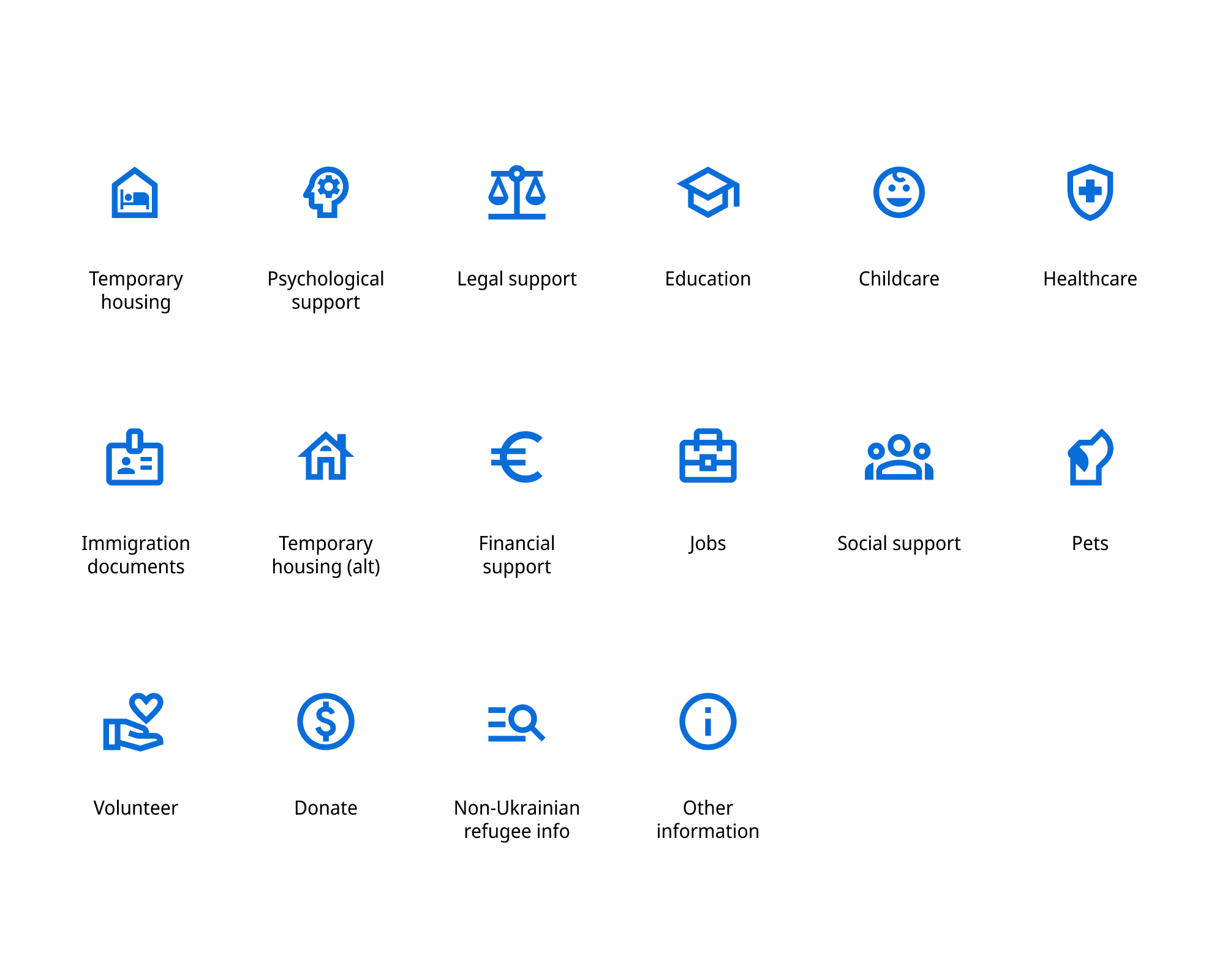
Clear, simple icons were employed to ease challenges with language barriers
Extensible language support
Beyond iconography, I still needed to ensure the platform could scale for dozens of languages, supporting Cyrillic, Arabic, and more. I selected Noto Sans, an open source typeface purpose-built for global communication.
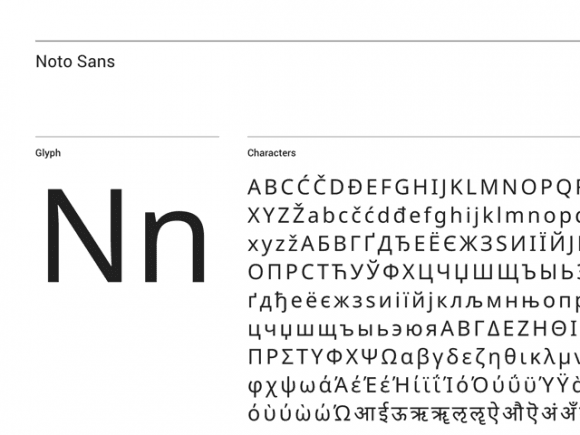
Noto Sans typographic characters
Enabling velocity with systems
Underpinning the entire experience, I implemented a robust design system that could help our engineering team move fast, using out of the box components when feasible, and modifying components that needed a more customized approach. This was critical in helping our team move at high velocity.
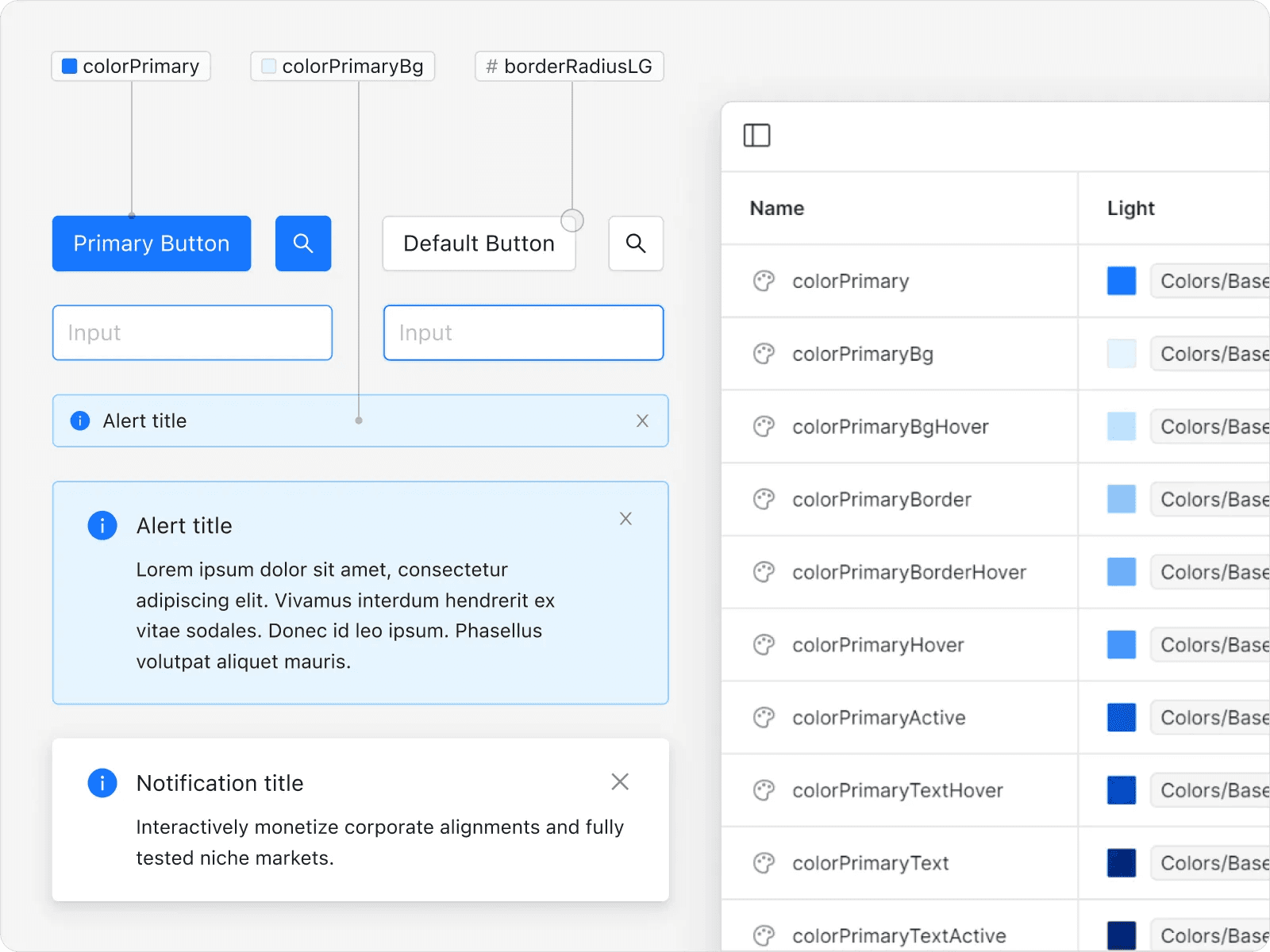
Example Ant design system components
Impact
United for Ukraine
The result was United for Ukraine, a one-stop shop for humanitarian aid launched in record time. The platform reached 5.5 million people in its first six months, facilitating hundreds of thousands of instances of information support and helping tens of thousands of people find temporary housing.
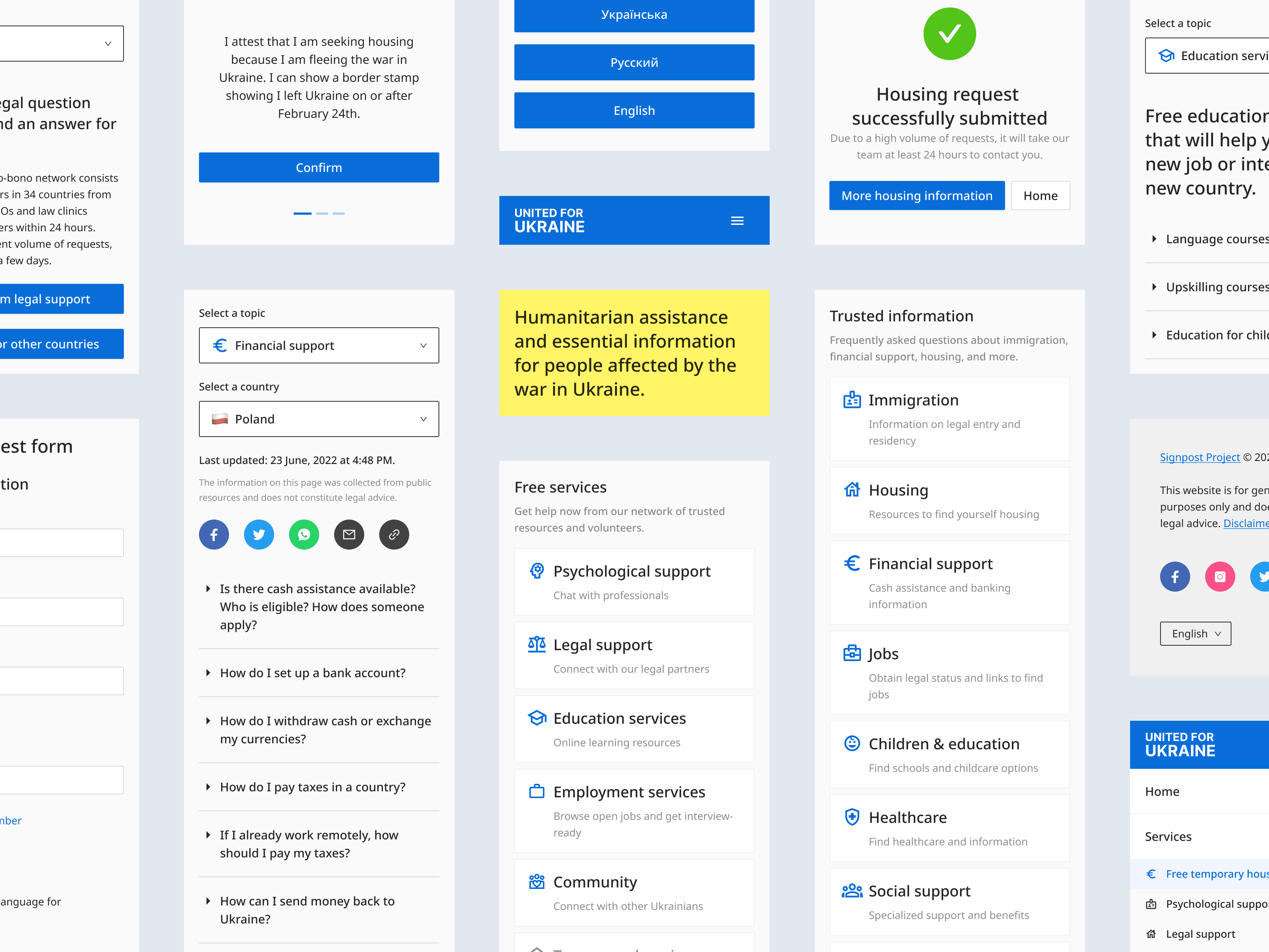
Mobile components from the final design solution
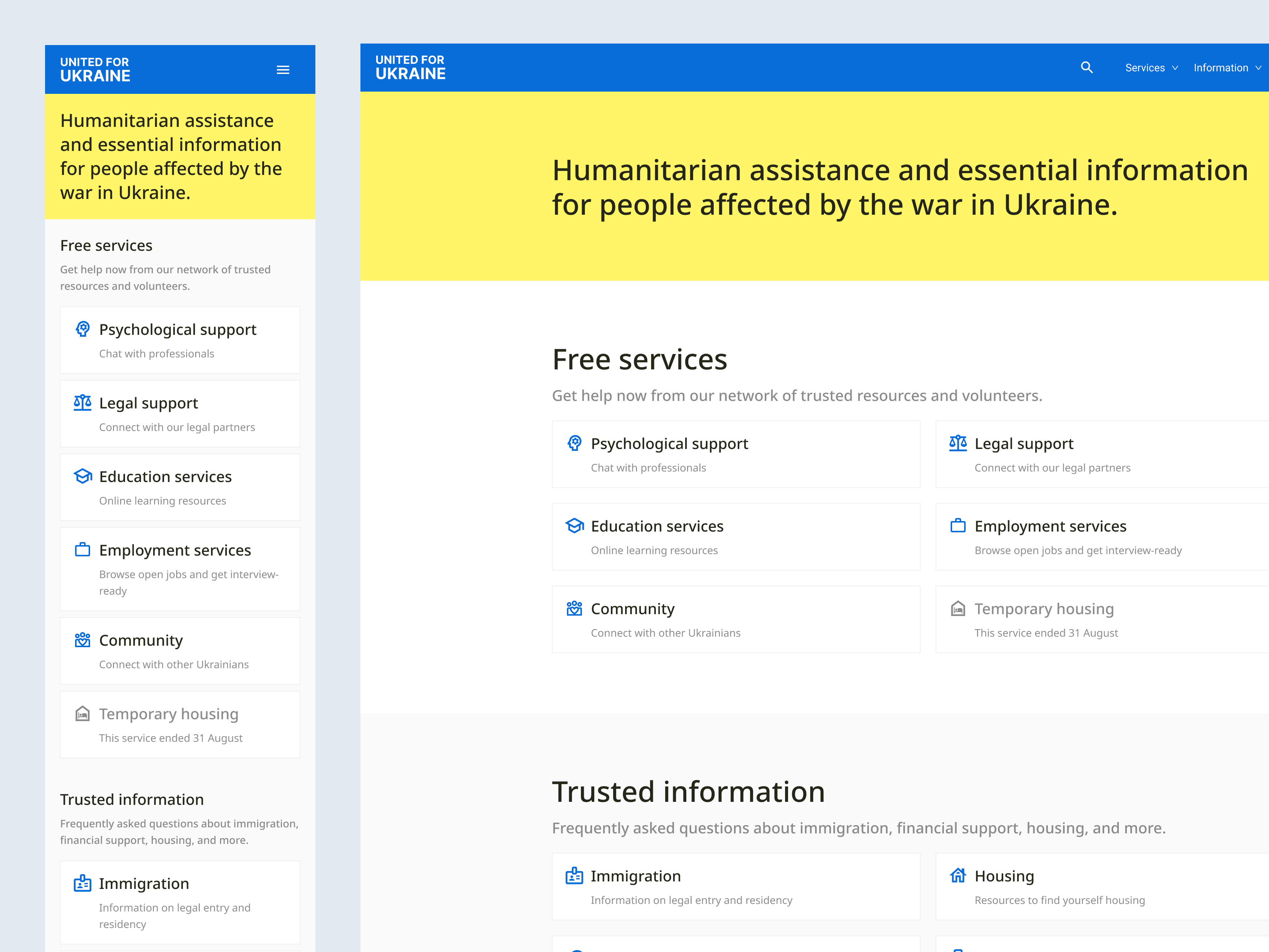
Finished United for Ukraine response platform
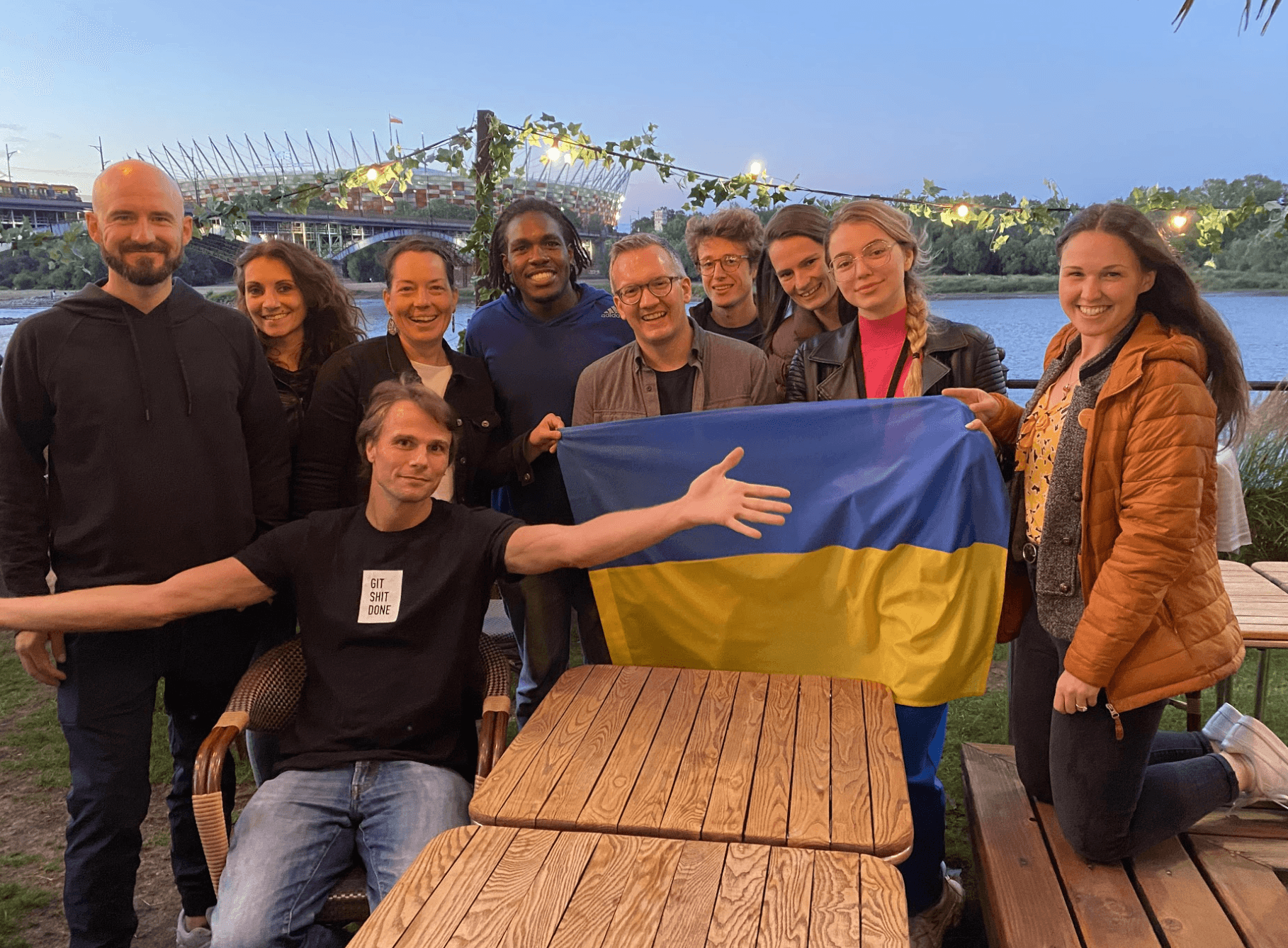
Members of the team during a trip to Warsaw, Poland
Scaling
Pivoting from project to platform
While the Ukraine response was a success, I identified a critical systemic risk. The IRC manages dozens of crisis response efforts simultaneously, but their existing technical process for deploying a new "Signpost" (information service) website took months, time that people in a crisis simply do not have.
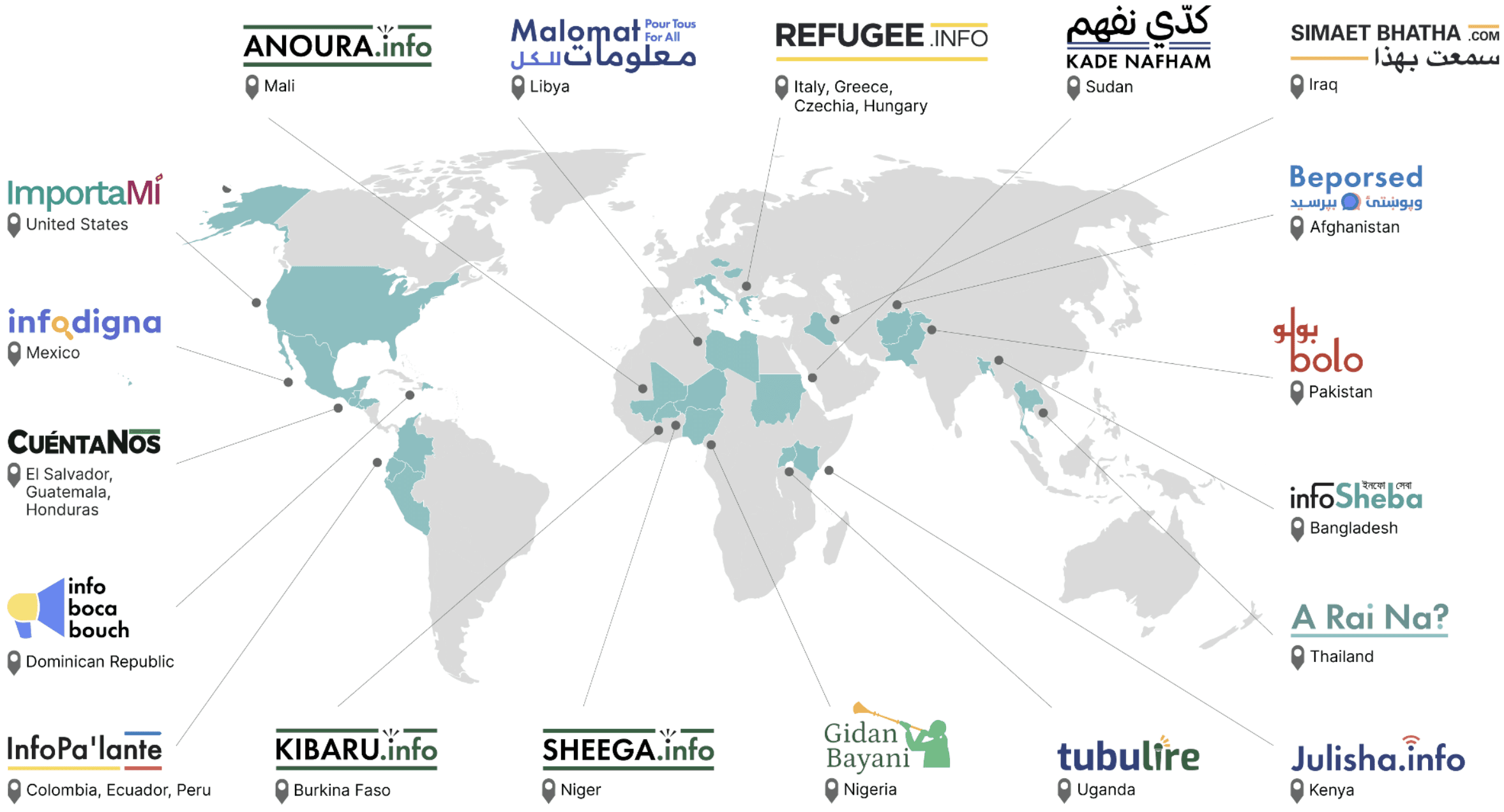
Map showing some of the areas where IRC Signpost is currently operating
I saw an opportunity to deliver impact far beyond Ukraine. I led the strategic generalization of our work, transforming the purpose-built Ukraine solution into a reusable global operating framework.
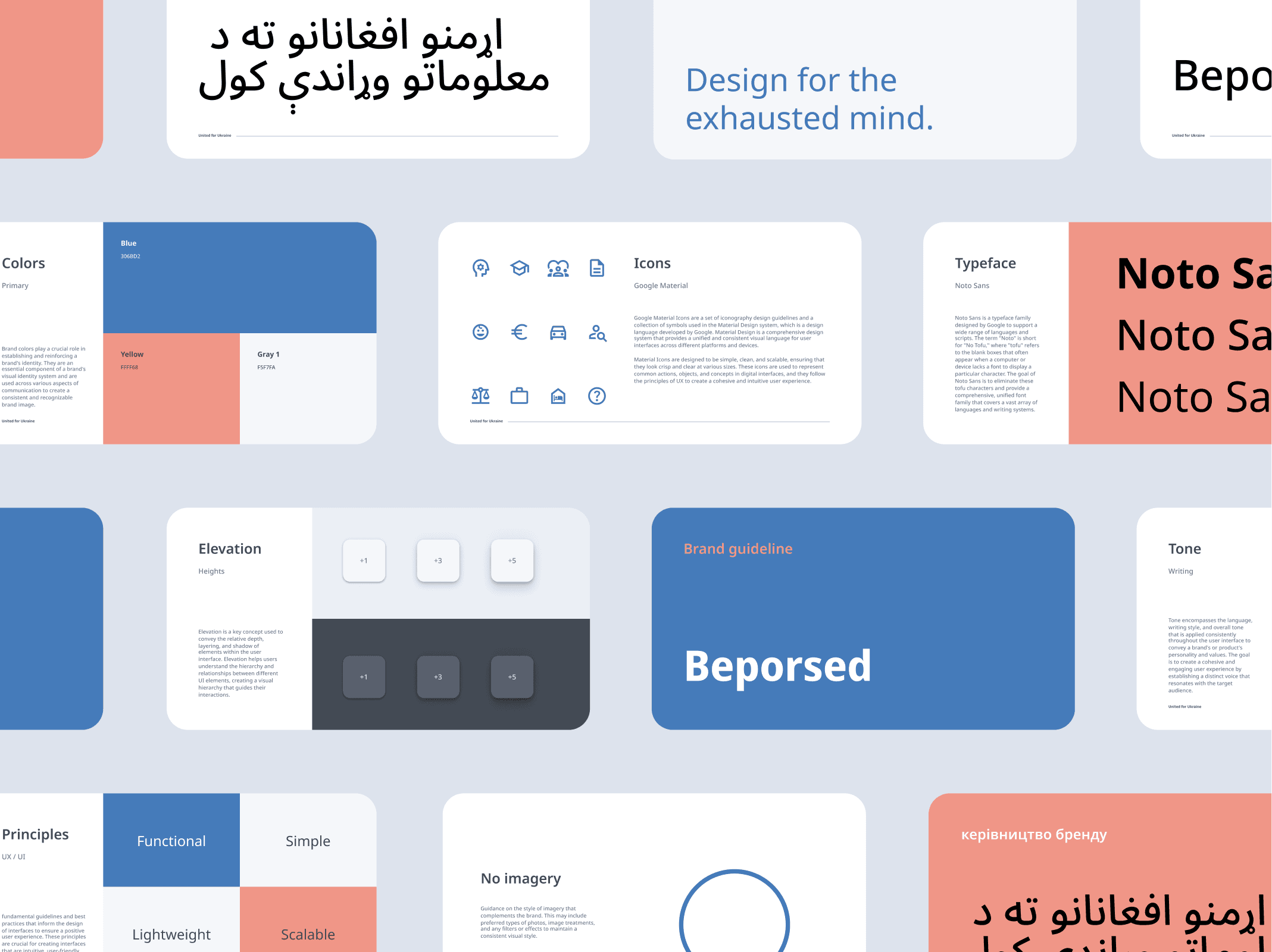
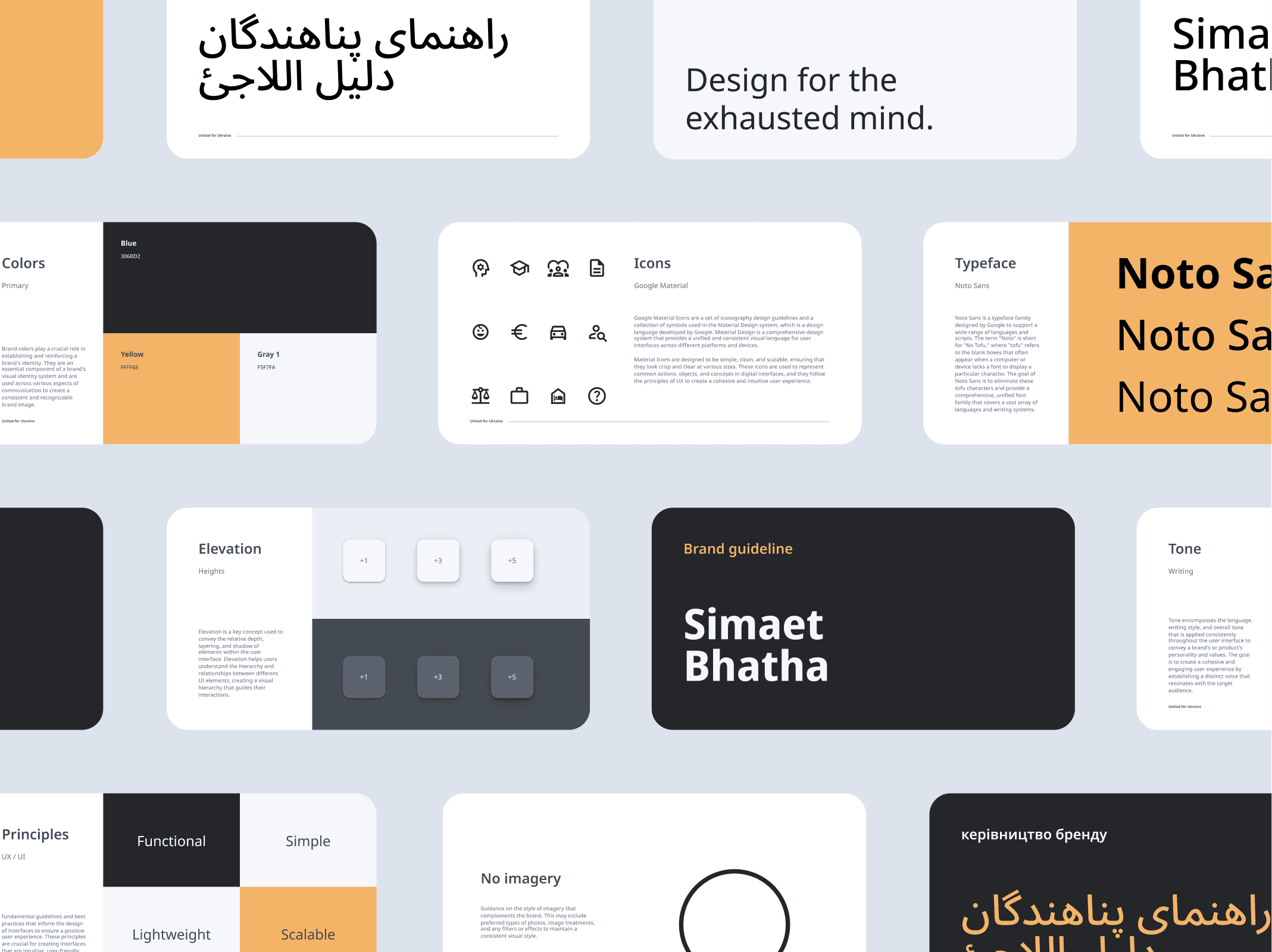
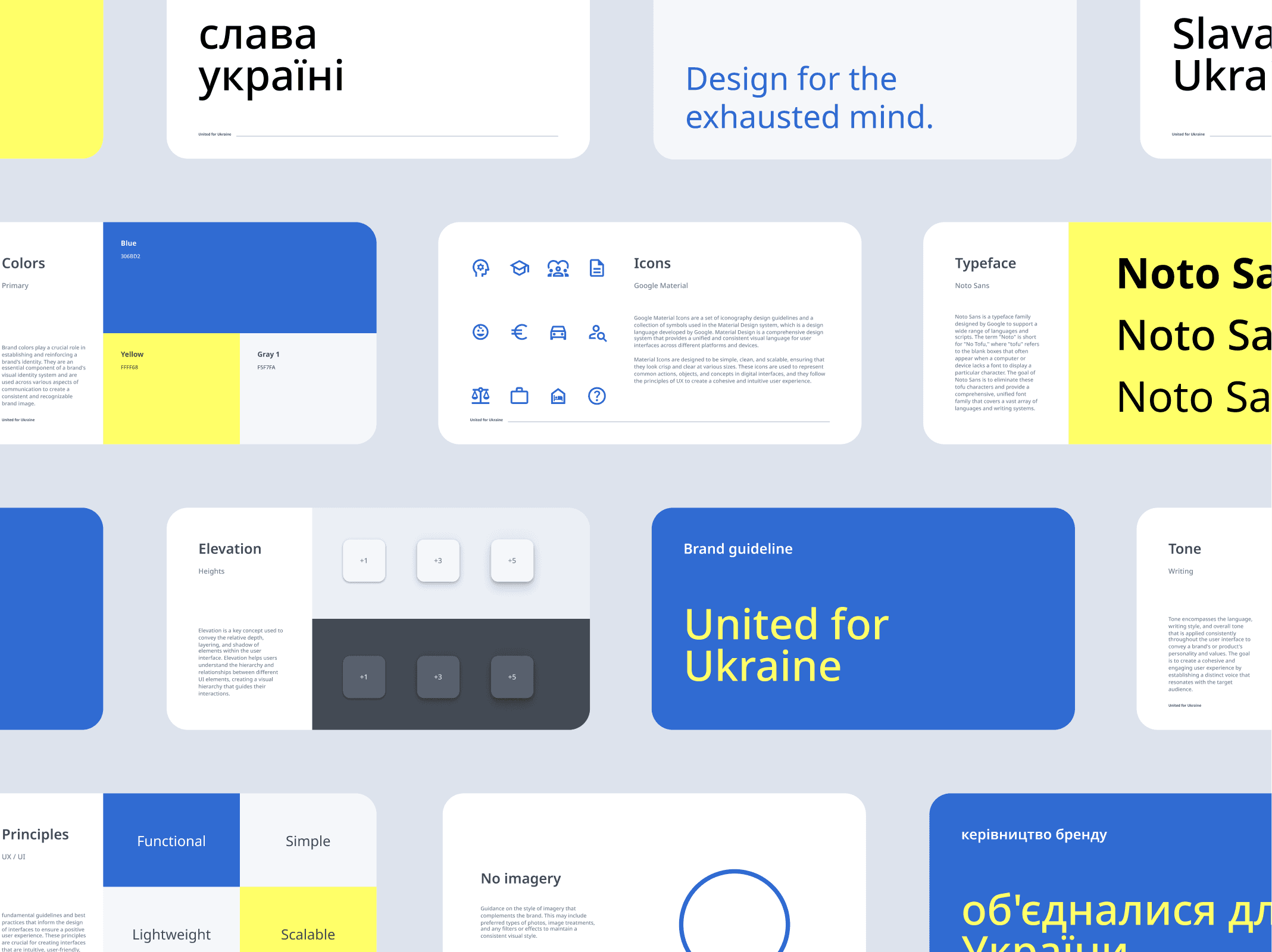
Applying the system to other response platforms: Afghanistan, Iraq, Ukraine
Results
Global legacy of impact
The pivot from "building a website" to "architecting a system" fundamentally changed the IRC's technological capacity. We reduced the time-to-market for new emergency response sites from months to less than one week.
Since the end of my fellowship, this system has been deployed across 20 global crisis zones, including Afghanistan, Syria, and Iraq. It has scaled to support over 85 million people globally, proving that strategic design can be a force multiplier in humanitarian aid.
This work was honored with the United Nations SDG "Connect" Award and numerous other awards for social impact.
20+
Global instances of IRC Signpost project where the solutions have been deployed for support
85M+
The initiative has now helped more than 85 million people with essential information in times of crisis
<1 week
We dramatically improved deployment times when launching a new site from more than a month to under a week